canton top Synthetic Turf Installation Professionals
canton top Synthetic Turf Installation Professionals
Blog Article
Synthetic Turf Installation: The Eco-Friendly Option for Your Lawn
Installing artificial grass presents a sensible alternative for homeowners pursuing a sustainable lawn choice. Its resilience and minimal upkeep requirements provide significant benefits over traditional grass. As water conservation becomes ever more critical, synthetic grass delivers an efficient solution to environmental concerns. However, the choice to install synthetic turf involves various factors that deserve careful examination. What factors should property owners consider before taking the transition to this eco-friendly choice?
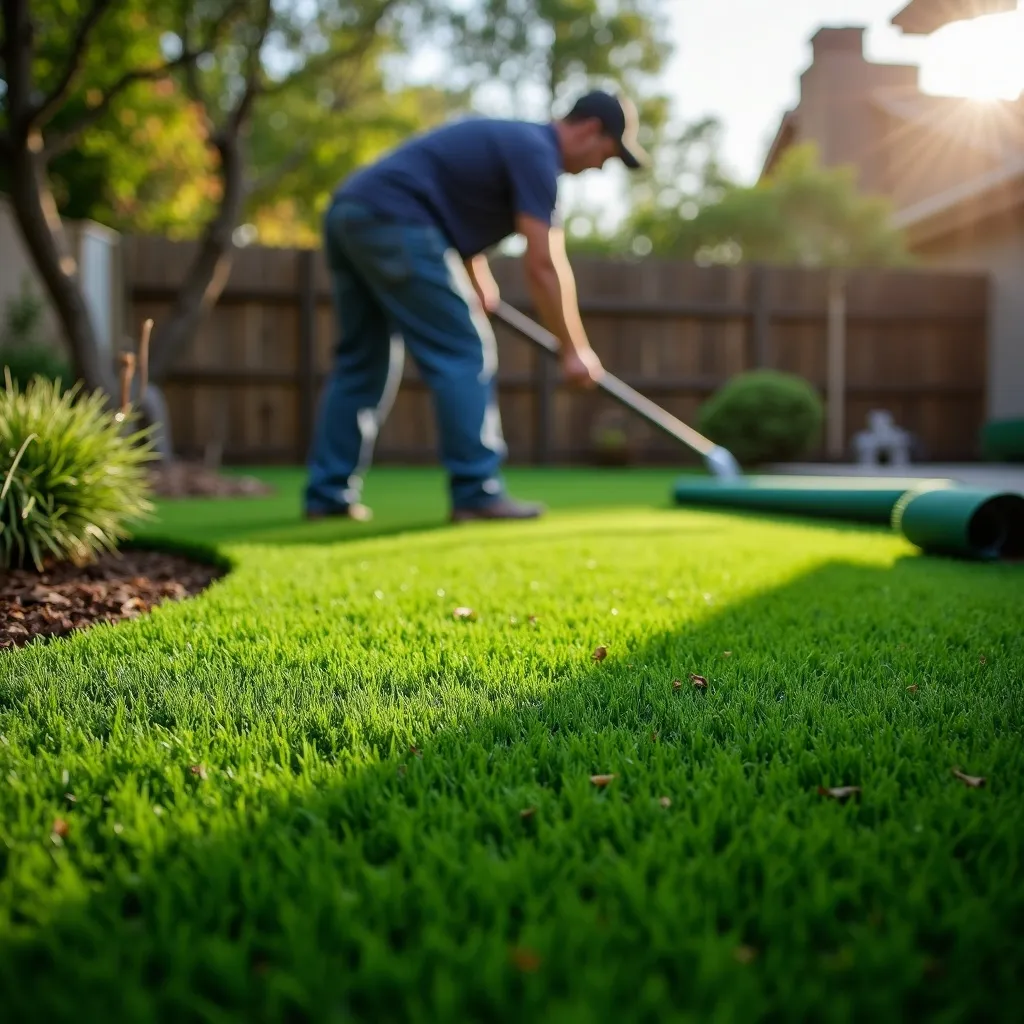
Understanding Synthetic Turf: Key Features and Benefits
Synthetic turf has become a widely-used alternative to natural grass, providing many benefits for different applications. One of its key features is durability; synthetic grass can withstand heavy foot traffic and extreme weather conditions without deteriorating. This strength makes it an ideal choice for sports fields, playgrounds, and residential lawns.
Furthermore, artificial grass requires minimal upkeep when set against natural grass. There is no requirement for mowing, watering, or fertilizing, generating considerable time and cost economies for homeowners and facility managers alike.
Moreover, artificial grass is eco-friendly, as it saves water and removes the need for dangerous chemical treatments.
As technology progresses, modern synthetic turf reproduces the appearance and feel of natural grass, delivering aesthetic appeal without the drawbacks. These features collectively make synthetic turf a viable and attractive option for a wide range of uses.
Installing Synthetic Turf: A Step-by-Step Guide
When reviewing the advantages of synthetic turf, the next obvious move is grasping the installation process.
The opening stage includes site preparation, which encompasses clearing the area of current grass, weeds, and debris. Next, a base layer of crushed stone or aggregate is laid to guarantee proper drainage and stability. Following this, a fabric barrier is installed to prevent unwanted plant growth.
After establishing the base, the synthetic turf rolls are unfurled and situated, making possible proper alignment. The edges are secured with stakes or adhesive, confirming a seamless appearance.
Once installed, a layer of infill material, such as rubber or sand, is distributed evenly to deliver weight and support. Finally, the turf is raked to raise the fibers and create a organic appearance.
Following these procedures results in a durable, low-maintenance lawn that enhances both aesthetics and usability.
Why Decide on Synthetic Turf? Environmental and Practical Advantages?
Picking synthetic turf provides many environmental and practical advantages that make it an appealing option for numerous homeowners and businesses. One significant benefit is conserving water; synthetic grass eliminates the need for regular watering, which is especially beneficial in arid regions.
Furthermore, it reduces the dependency on damaging pesticides and fertilizers, supporting a stronger ecosystem.
From a practical standpoint, manufactured grass requires minimal care, saving effort and expenses on lawn care. It continues flourishing and green throughout the year, offering a steady aesthetic appeal without weather-related variations.
In addition, synthetic turf is durable, able to withstand heavy foot traffic and various weather conditions, making it well-suited for both residential and commercial applications.
These qualities not only maximize the practical application of outdoor spaces but also further long-term environmental stewardship, offering synthetic turf as an appealing alternative for environmentally conscious consumers.
Key Considerations for Synthetic Turf Placement
Numerous factors must be taken into account before undertaking synthetic turf placement. First, it is important to determine the intended use of the area. Different varieties of synthetic turf are built for distinct purposes, such as sports or residential landscaping.
Second, the local climate should be evaluated; some materials may endure heat superior than others.
Site preparation is another important consideration, demanding adequate drainage and a uniform surface to guarantee longevity and performance. Additionally, potential local regulations or homeowners' association guidelines may determine installation choices.
Finding the best infill option is essential for stability and comfort, as it impacts both the appearance and feel of the turf.
In conclusion, selecting a credible installer can considerably influence the excellence and longevity of the installation. By tackling these points, dwellers can make informed determinations that best suit their needs and strengthen their garden spaces.
Proper Care for Your Artificial Turf Lawn
Maintaining a synthetic turf lawn requires a consistent cleaning schedule to guarantee its durability and visual appeal.
Regular upkeep includes dealing with any damage and utilizing fix methods as required.
Follow a dependable cleaning calendar
Maintaining the look and durability of synthetic turf lawns requires a consistent cleaning schedule. Regular maintenance helps prevent debris buildup, minimizes odors, and enhances aesthetic appeal.
Homeowners should attempt to remove leaves, twigs, and other decomposing matter at least once a week, especially during fall. Additionally, rinsing the turf with water monthly can help remove dust and allergens, guaranteeing a fresh look.
Busy regions could benefit from ongoing care to maintain the durability. In colder months, snow and ice should be thoroughly cleared to prevent damaging the fibers.
Spotting and Maintenance Suggestions
Spotting and handling problems promptly is necessary for upholding the durability of synthetic turf lawns. Continuous inspections should be performed to catch signs of damage, such as tears, unraveling, or uneven surfaces.
Upon noticing a problem, immediate action is necessary. Minor tears can be repaired with specialized adhesive or turf tape, maintaining a firm bond without affecting appearance. For larger issues, professionals may be needed to replace sections of turf.
Additionally, maintaining the base material intact is essential; any shifting can cause further complications. Regular brushing helps sustain an level surface and can also identify underlying problems.
Budget Assessment: Synthetic Turf vs. Natural Grass
When evaluating the costs of artificial grass to real grass, initial installation expenses play a significant role.
Additionally, extended upkeep expenses can greatly influence the total monetary investment of each option.
A thorough examination of these elements uncovers important insights for prospective buyers.
Upfront Installation Expenses
Initial installation fees significantly impact the decision-making process for homeowners and municipalities evaluating synthetic turf in contrast with natural grass.
In general, the initial expenses for synthetic turf can range from $5 to $20 per square foot, based on quality and installation complexity. In contrast, natural grass installation usually costs between $1 to $2 per square foot.
However, the aggregate investment in natural grass can expand significantly due to ground treatment, water distribution, and regular upkeep requirements.
Property owners and local authorities must compare these first-time expenses against the achievable future returns of synthetic turf, such as curtailed water use and diminished maintenance needs.
Ultimately, comprehending these costs helps with making informed, sustainable landscaping choices.
Long-Term Maintenance Expenses
Extended maintenance expenses significantly shape the overall economic viability of synthetic turf compared to natural grass.
Natural grass necessitates constant expenses, incorporating routine trimming, application of fertilizers, regular irrigation, and disease and pest treatment, which can accumulate quickly over time. Homeowners may expend hundreds to thousands of dollars annually to upkeep a thriving grass landscape.
Similarly, artificial grass requires minimal upkeep, chiefly occasional rinsing and brushing to get rid of waste. Despite the preliminary cost in artificial grass being steeper, the decreased overall expenses make it an attractive alternative.
Furthermore, synthetic turf eliminates irrigation fees stemming from irrigation, further enhancing its cost-effectiveness over time.
Ultimately, the financial advantages of synthetic turf care can result in significant cost reductions for property owners in the long term.
Refuting Frequent Myths About Synthetic Turf
Although numerous individuals hold misunderstandings about synthetic turf, grasping the truth can lead to informed decisions. One prevalent myth is that synthetic turf is damaging to the ecosystem; however, many products are made from reclaimed resources and are engineered to be long-lasting, reducing waste.
A frequent belief is that synthetic turf requires excessive heat maintenance, but modern installations often include reliable cooling technologies that alleviate temperature issues.
Furthermore, some critics maintain that artificial grass encourages artificial compounds; yet, progress in construction have markedly minimized the requirement for harmful infill substances.
Finally, the notion that synthetic grass cannot support biodiversity is incorrect; many installations can coexist with native plants, supplying habitats for local wildlife.
Often Asked Questions
What Is the Lifespan of Synthetic Turf Before Needing Replacement?
Artificial grass commonly lasts between 15 to 25 years before requiring replacement. Elements affecting longevity include quality, care routines, and environmental circumstances, which similar resource can greatly influence its resilience and functional quality over time.
Can Dogs and Cats Safely Utilize Synthetic Turf?
Pets may safely use synthetic turf, as it is designed to be durable and non-toxic. Regular maintenance guarantees purity, making it a practical option for pet owners seeking a hassle-free, pleasant outdoor space for their animals.
Does Artificial Grass Hold Heat in Sunny Conditions?
Indeed, artificial turf does absorb warmth in sunny conditions, significantly elevating surface temperatures. This can cause unease for both humans and animals. Consistent irrigation or opting for lighter-colored turf can help mitigate this heat gain.
What Are the Options for Synthetic Turf Colors and Designs?
Synthetic turf choices offer a variety of hues like bright greens, earthy browns, and even custom shades. Styles vary between realistic mimicry of natural grass to artistic designs, catering to diverse styles and practical requirements.
How Does Synthetic Turf Affect Local Wildlife?
Artificial turf can disrupt local wildlife by altering habitats and reducing natural nutrition availability. Its lack of flexibility may deter certain species from nesting and foraging, potentially leading to reduced species diversity in the impacted regions.
Report this page